
Time Saved

Invoicing is the part of creative work that nobody talks about and that’s usually because nobody has bothered to fix it. I did.
After one too many hours spent building invoice PDFs manually, chasing payment status over email, and watching clients fumble with bank transfer details.
I found and deployed an open-source invoicing solution that fundamentally changed how I run my business. The result was less friction, faster payments, and a client experience that didn’t embarrass the quality of the work it was attached to.
Creating invoices was slow and manual. Each one built from scratch, exported as a PDF, and sent via email. Tracking whether they’d been opened, paid, or forgotten was a separate exercise entirely, usually involving a follow-up email thread.
From the client’s side, paying was often unnecessarily complicated: bank details to locate, reference numbers to type, and no confirmation that anything had been received. The whole process created delays and administrative overhead that served no one.
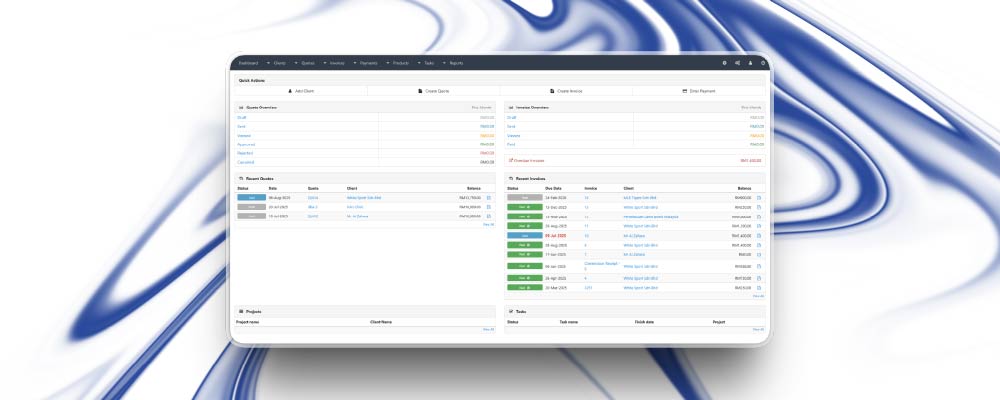
I researched, evaluated, and deployed a self-hosted open-source invoicing platform that handled the full billing cycle: creation, customisation, sending, automated reminders, status tracking, and client-facing payment links.
The platform was configured to match my brand and integrated into my existing workflow. Clients receive a clean, professional invoice with a single link to pay with no bank details, no reference numbers, no confusion.
Time spent creating and managing invoices dropped significantly. Clients can pay directly through a link in the invoice by removing the friction that caused delays.
Payment tracking became automatic, eliminating the need for manual follow-ups. The result was faster payments, fewer back-and-forth messages, and a more professional client experience from the first invoice to the final receipt.
This site is protected by reCAPTCHA and Google Privacy Policy and Terms of Service apply